
NUSA DUA AREA TOURISM DEVELOPMENT
DESIGN PLANNER
NUSA DUA AREA TOURISM DEVELOPMENT, REVIEW MASTER PLAN 1987 BY BTDC NUSA DUA


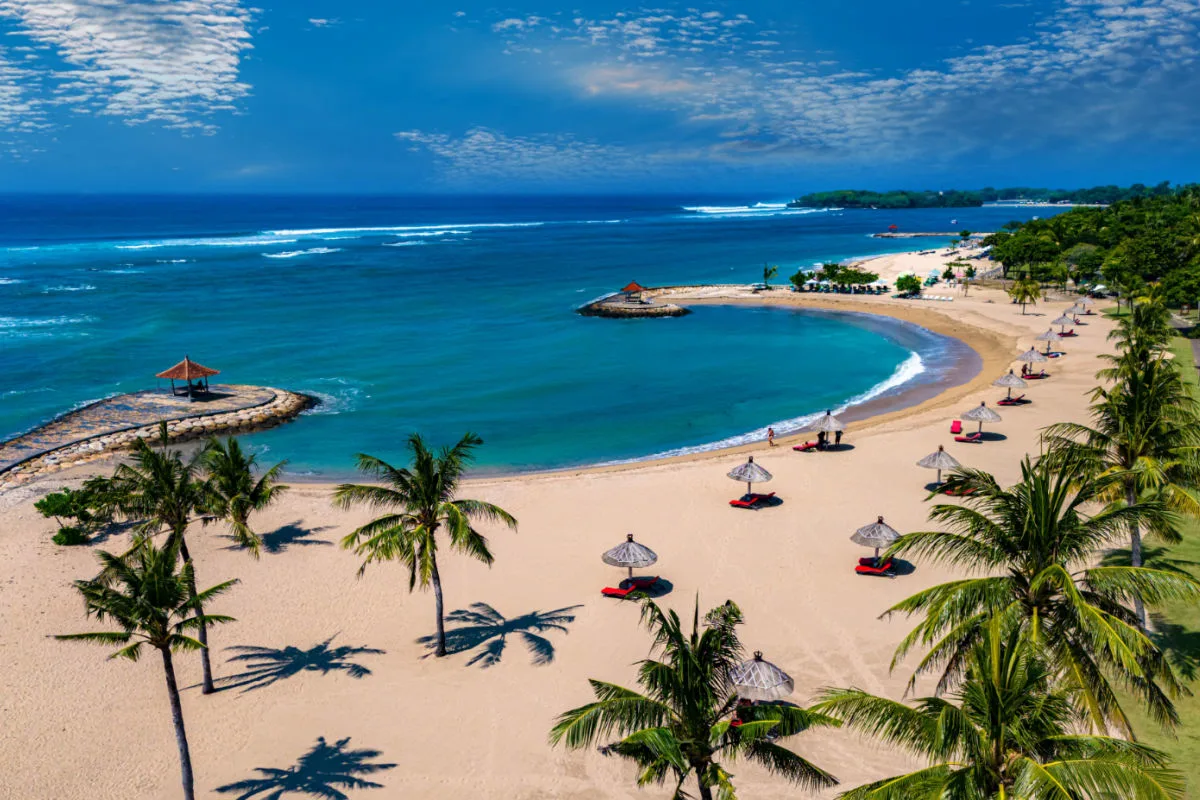
By 2001, the Nusa Dua Area Tourism Development had fully matured into one of Southeast Asia’s most successful examples of a master-planned resort destination. Originally initiated by the Indonesian government and managed by ITDC (formerly BTDC), Nusa Dua entered the new millennium as a globally recognized tourism enclave hosting international-standard resorts, convention facilities, and supporting infrastructure.
At this stage, the development had expanded beyond its early flagship hotels to include a diverse portfolio of luxury and upscale resorts, a major convention and exhibition center, retail and lifestyle facilities, and well-maintained public spaces. The planning principles established in earlier decades—controlled zoning, integrated infrastructure, security, and environmental management—continued to guide growth and ensure long-term sustainability.
The year 2001 also marked a period of resilience and adaptation for Nusa Dua. Despite regional and global challenges affecting tourism at the time, the area maintained its reputation as a stable, secure, and premium destination, reinforcing investor confidence and international trust in Bali’s tourism industry.
From an urban and architectural perspective, Nusa Dua in 2001 stood as a benchmark for integrated tourism planning in Indonesia. Its success demonstrated how concentrated resort development could support economic growth while protecting Bali’s cultural landscapes and surrounding communities—solidifying Nusa Dua’s role as a reference model for large-scale tourism development well into the 21st century.